How I Slowed Down My Photography in Brisbane and Shot Film for the First Time
I’ve been a photographer for nine years.
Nine years of digital. Nine years of near-infinite frames, instant previews, cards with 500 images on them, and the particular kind of confidence that comes from knowing you can always shoot more. If the frame isn’t right, shoot again. If the expression is close but not quite, shoot again. If the light shifts and you miss it, shoot again.
It’s a kind of freedom. But it’s also, I’ve started to realise, a kind of noise.
A Café Called The New Chapter
Two months ago, I was in Saigon.
I’d found a café called The New Chapter, which is exactly the kind of name that feels like it’s daring you to pay attention, and that’s where I met her. A photographer who worked there, and who had displayed throughout the space an extraordinary collection of film cameras. Different bodies, different eras, different sizes. They weren’t behind glass. They were just there, part of the atmosphere of the place, like they belonged to the room as much as the furniture did.
I noticed them immediately. Because here’s the thing: I’d been thinking about film photography for years. It had lived in the back of my mind as one of those things I kept meaning to get to. But there was always a reason not to. The film stocks felt overwhelming to research. The cost of shooting and developing felt hard to justify. The idea of shooting more manually after years of digital fluency felt like going back to school. I am good at finding reasons, and I had found plenty.
But standing in The New Chapter, looking at her cameras, something shifted.
I asked her about them. She lit up the way photographers do when someone asks about the thing they actually love, and we fell into the kind of conversation I hadn’t expected to have that afternoon. I told her I’d always wanted to try film but never quite made myself do it. She listened, smiled like she’d heard this before, and then pulled out her phone and dropped a pin on Google Maps. A small film and camera store not far from where we were sitting. She said I had to go.
So later that day, I did.
The Shop
The place felt like it existed slightly outside of time. Cameras I recognised and cameras I didn’t, film stocks lined up like a little library, and the particular smell of a space that takes old things seriously.
I picked up a few bodies and turned them over in my hands. And then I found it: a 35mm point-and-shoot Pak camera that felt immediately right. Compact, uncomplicated, honest. Easy enough to use and sturdy enough to trust.
I bought it. I picked up my first roll of colour film alongside it. Thirty-six exposures. That was it.
36 Frames. That’s It.
If you’ve only ever shot digital, let me tell you what 36 exposures feels like when you’re used to shooting hundreds: terrifying and clarifying in equal measure.
Every single frame counts.
There’s no chimping, no flicking back through the LCD to check what you got. There’s no deleting the imperfect one and immediately trying again. You advance the film, compose, breathe, decide, and shoot. And then it’s gone. That moment, that frame, that fraction of a second, committed to silver halide and completely out of your hands until you get the roll developed.
It forces you to think before you shoot. And I hadn’t realised how rarely I’d been doing that.
Why I Chose Portraits for My First Roll
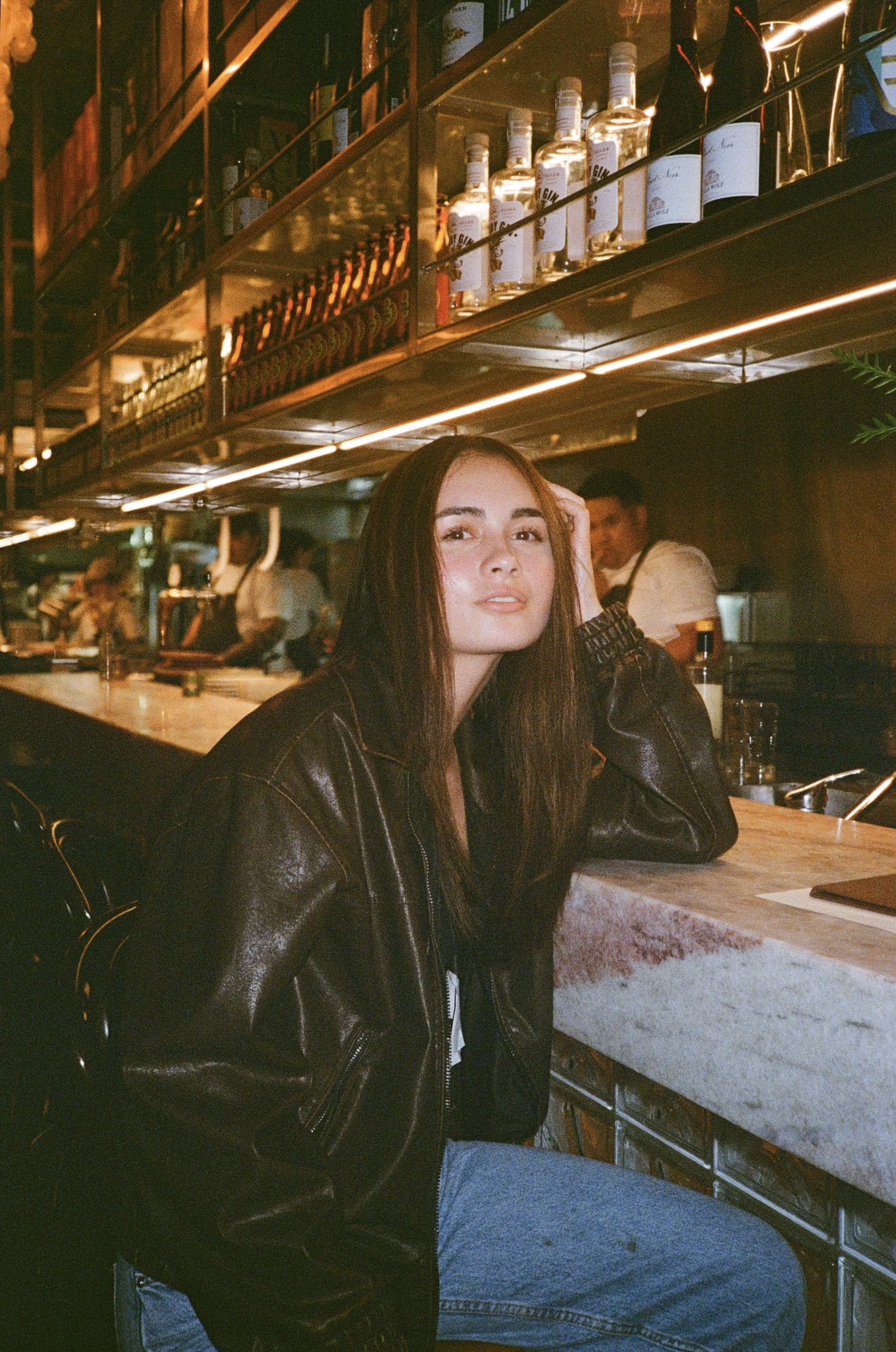
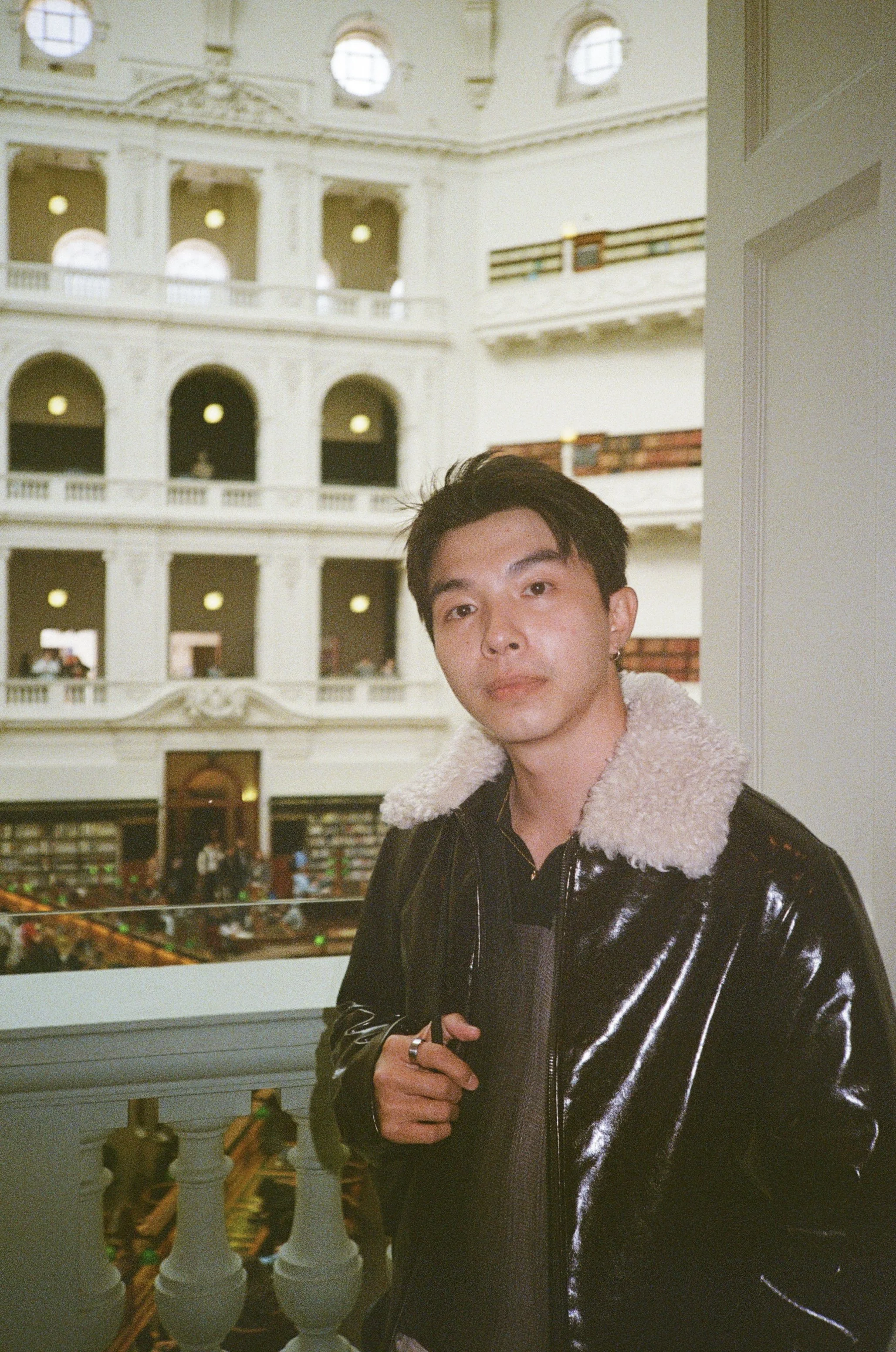
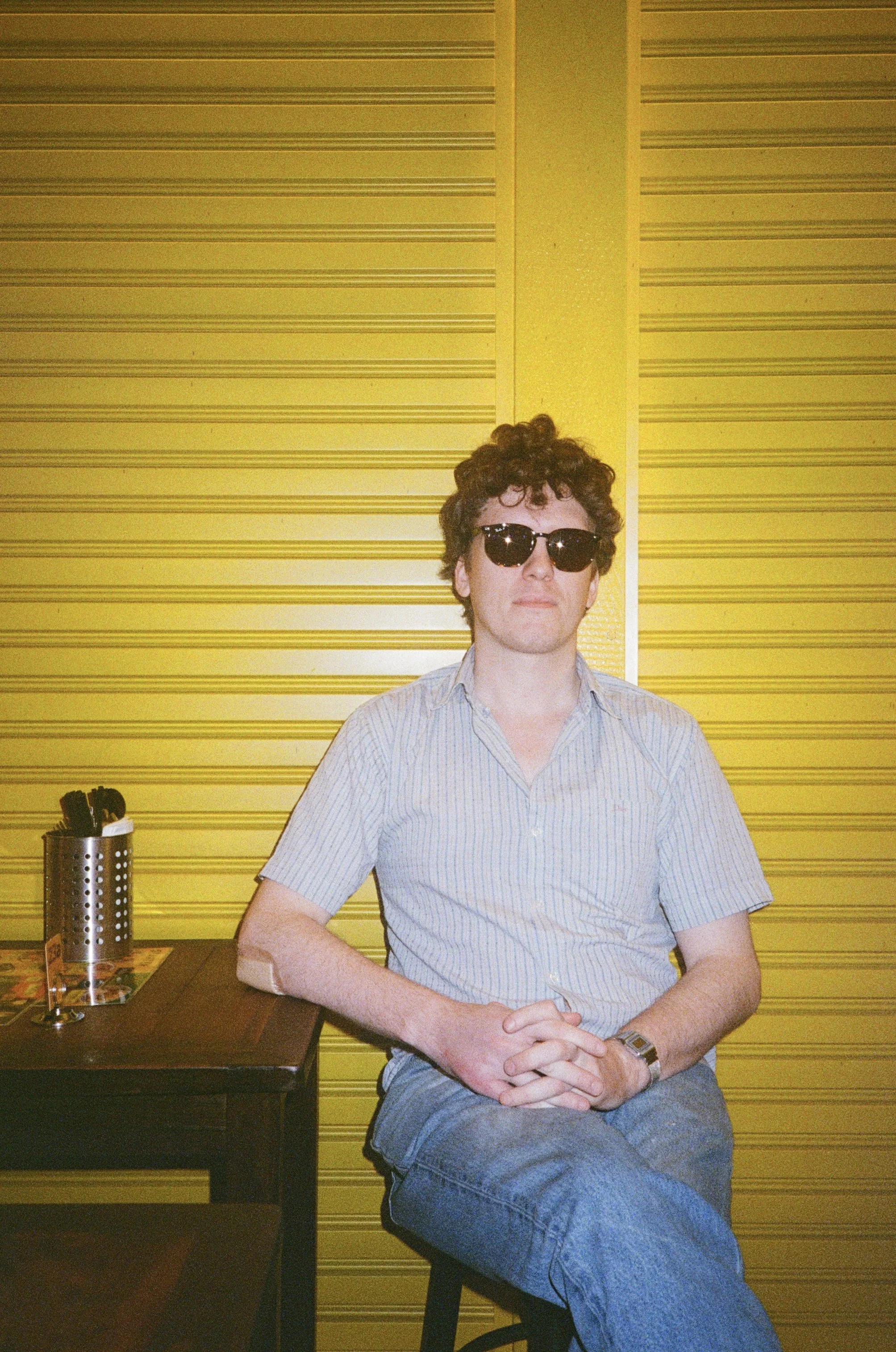
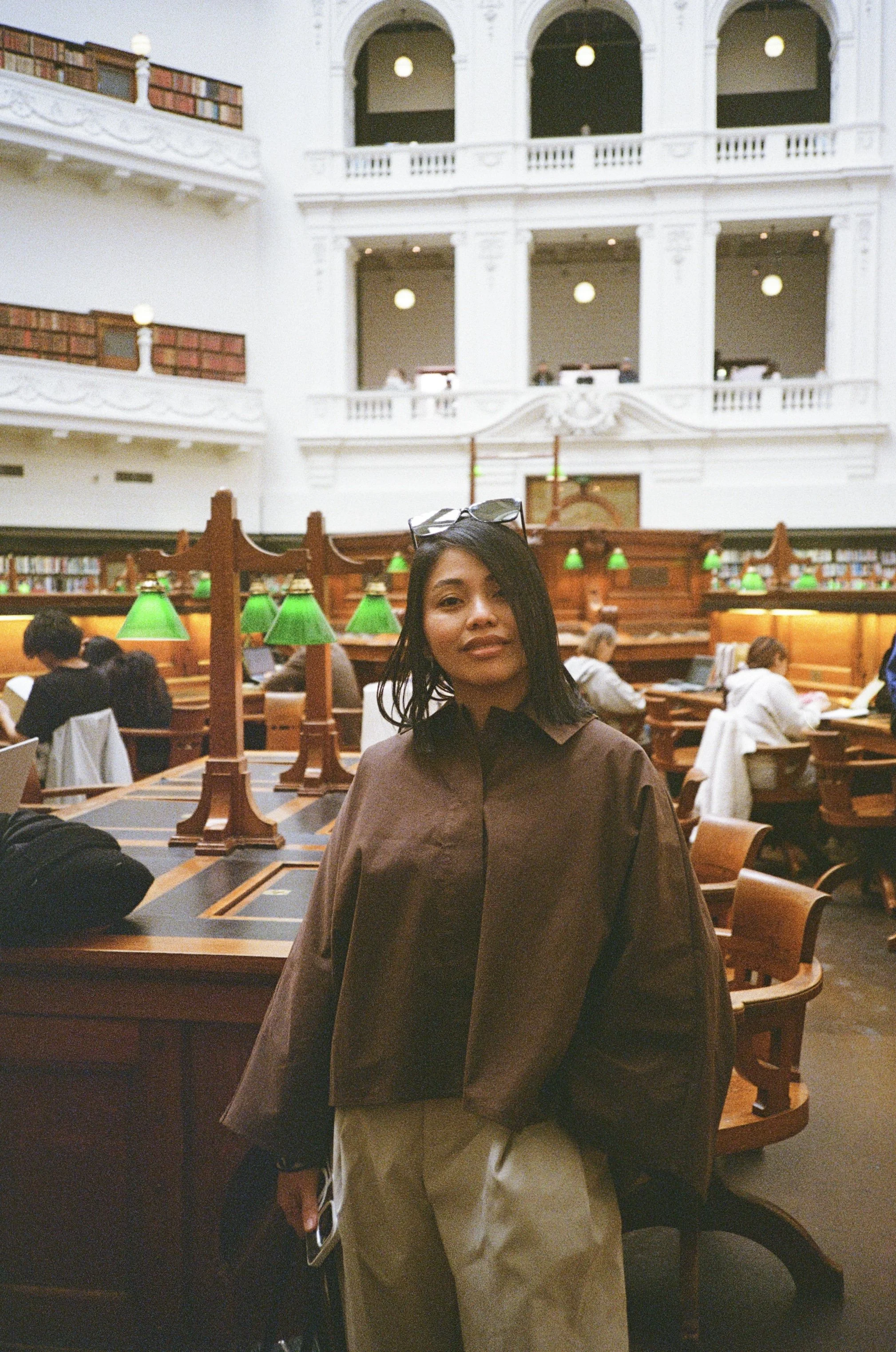
I started my career in portrait photography. Nine years ago, before the couples work, before events, before the MC stage and the speaking and the officiating, there was just me and another person and the attempt to make an image that said something true about who they were.
It felt right to return to that for this first roll.
I’d also just spent two months doing what I love doing almost as much as photographing people: meeting them. Traveling through the Philippines, across Vietnam, and eventually landing back in Brisbane, I’d had hundreds of conversations. With strangers at roadside stalls and locals who wanted to practise their English and fellow travellers who were figuring out the same things I was. People who were generous with their time, their stories, and their faces.
So when I thought about what to do with 36 precious, irreplaceable frames, the answer was obvious. People. Portraits. The thing that started it all.
The Weight of a Limited Frame
Here’s what no one tells you about shooting film portraits: the relationship with your subject changes.
When I’m shooting digital, there’s a rhythm that develops between me and the person in front of the lens. I’m shooting, they’re adjusting, I’m reviewing, we’re moving forward together. It’s collaborative and often quite fluid.
With film, there’s a different quality to the moment before the shutter. A stillness. I’m looking at someone, really looking, deciding if this is the frame worth spending. And that attention, I think, the subject feels it.
The act of choosing a moment creates a kind of reverence for it.
As a Brisbane photographer who’s also spent years on stage as an MC, reading rooms, feeling energy, knowing when a moment is alive versus when it’s just happening, I recognised that quality immediately. Film photography is a performance with no second take. And that pressure, rather than shrinking the image, seems to expand it.
Two Months of Travel, 36 Frames, One Subject
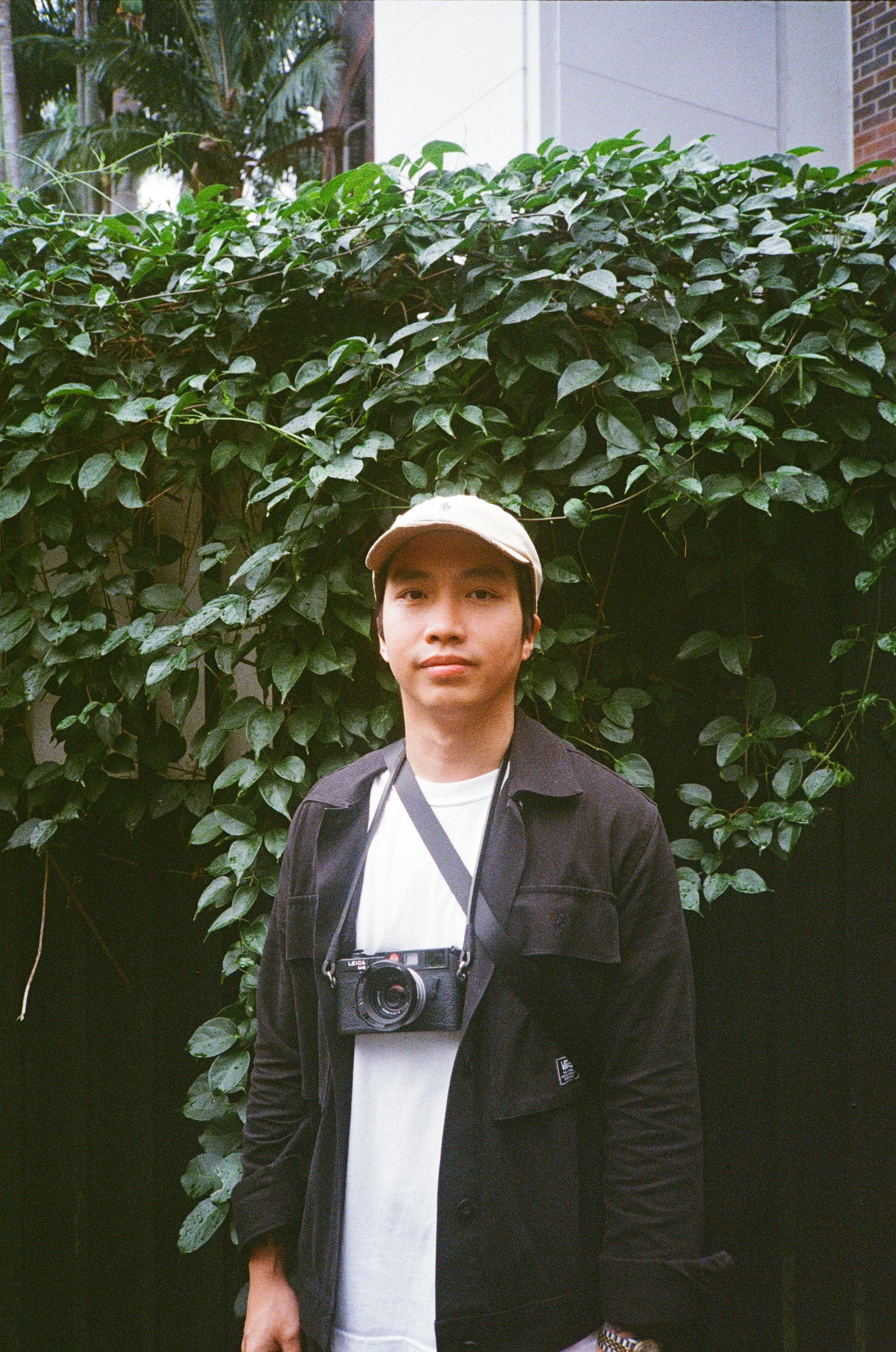
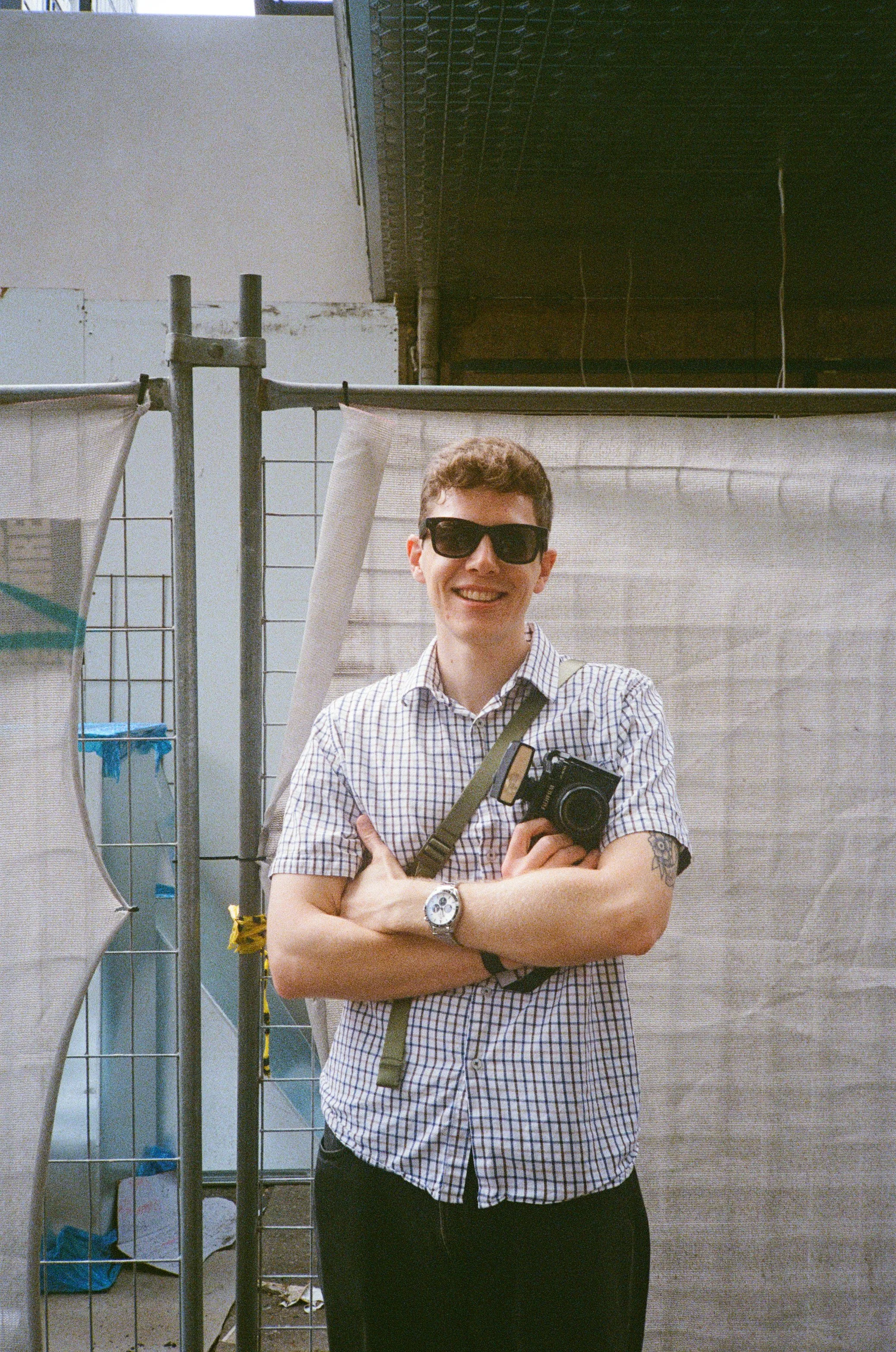
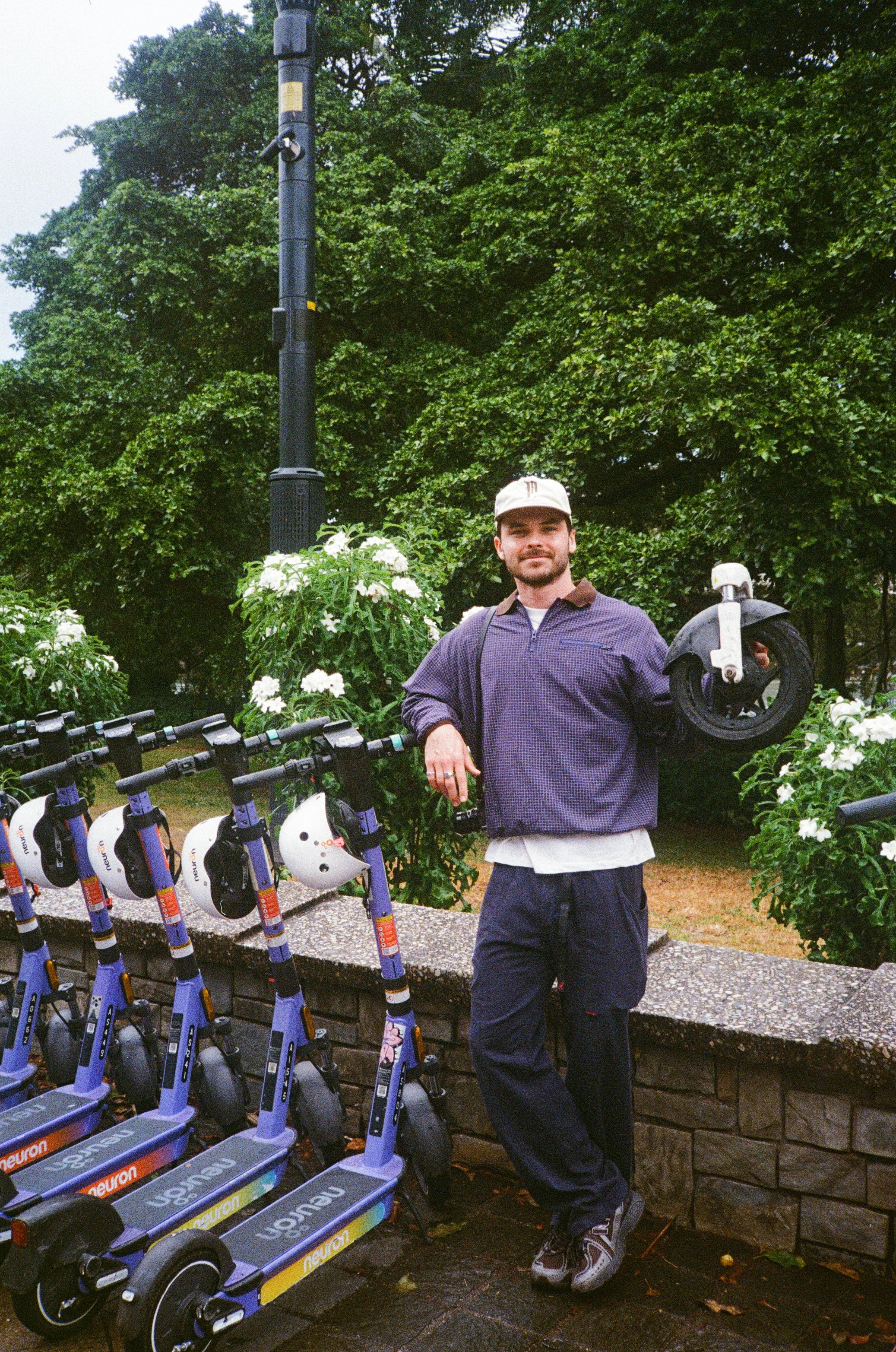
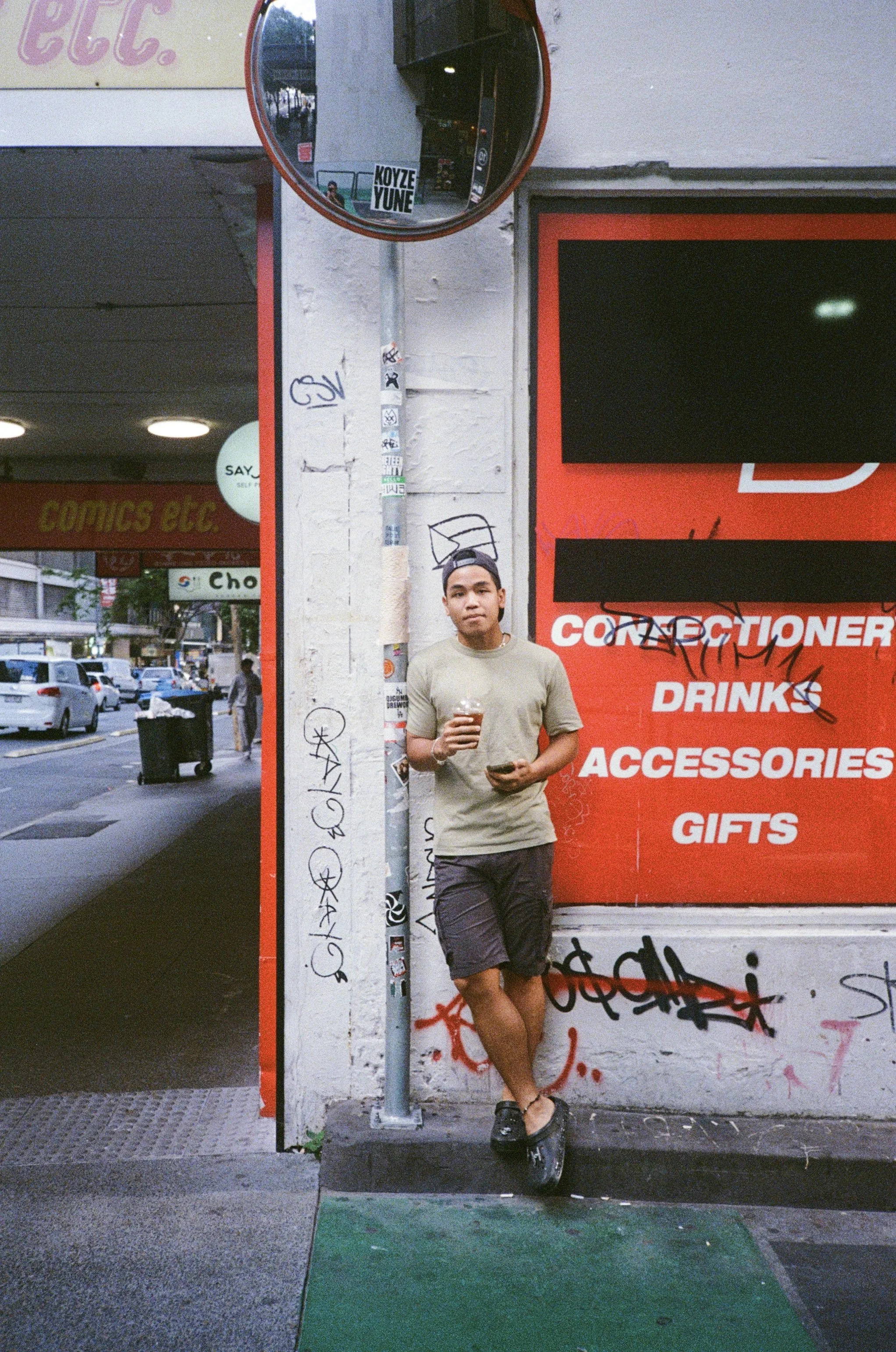
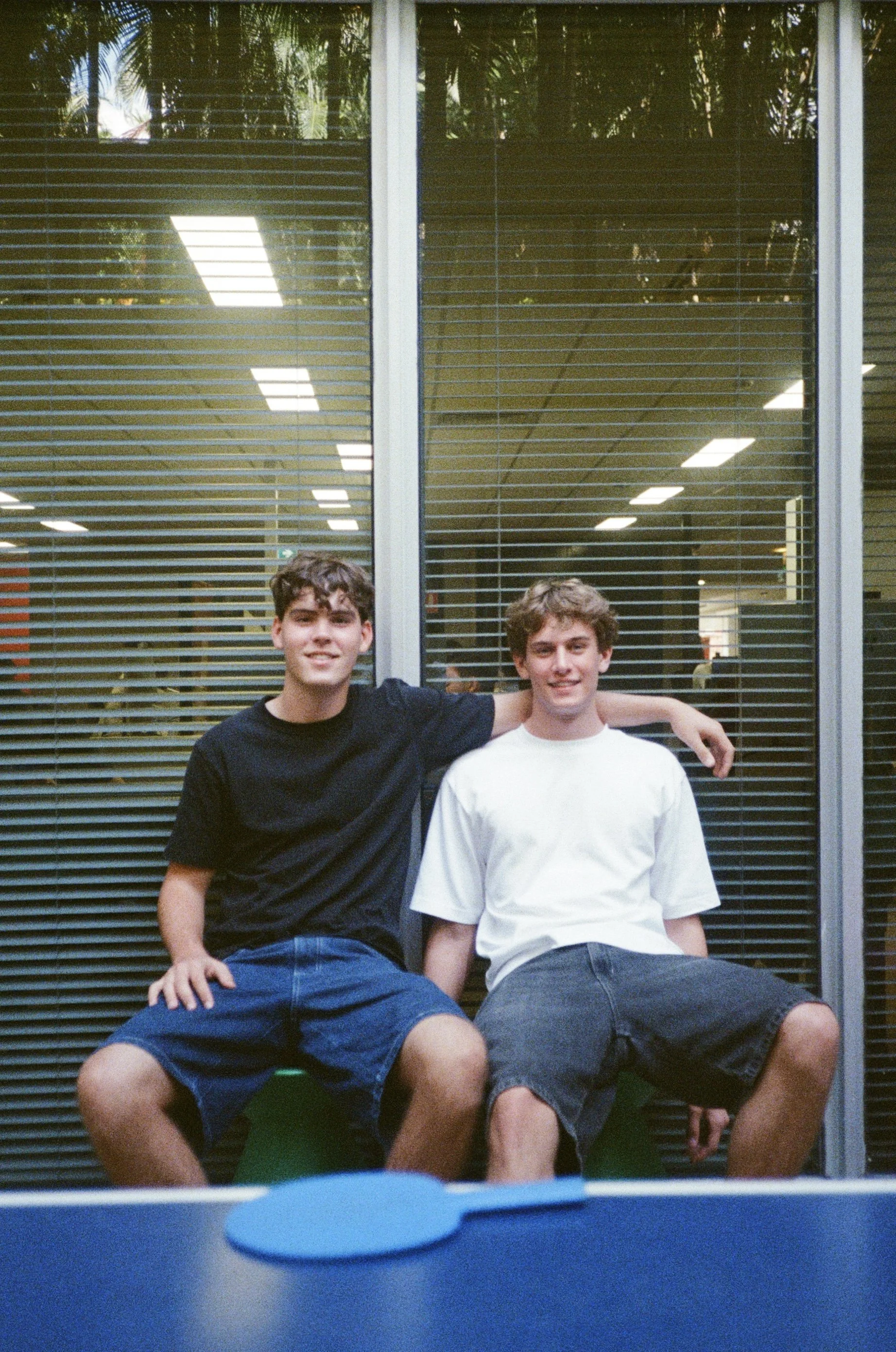
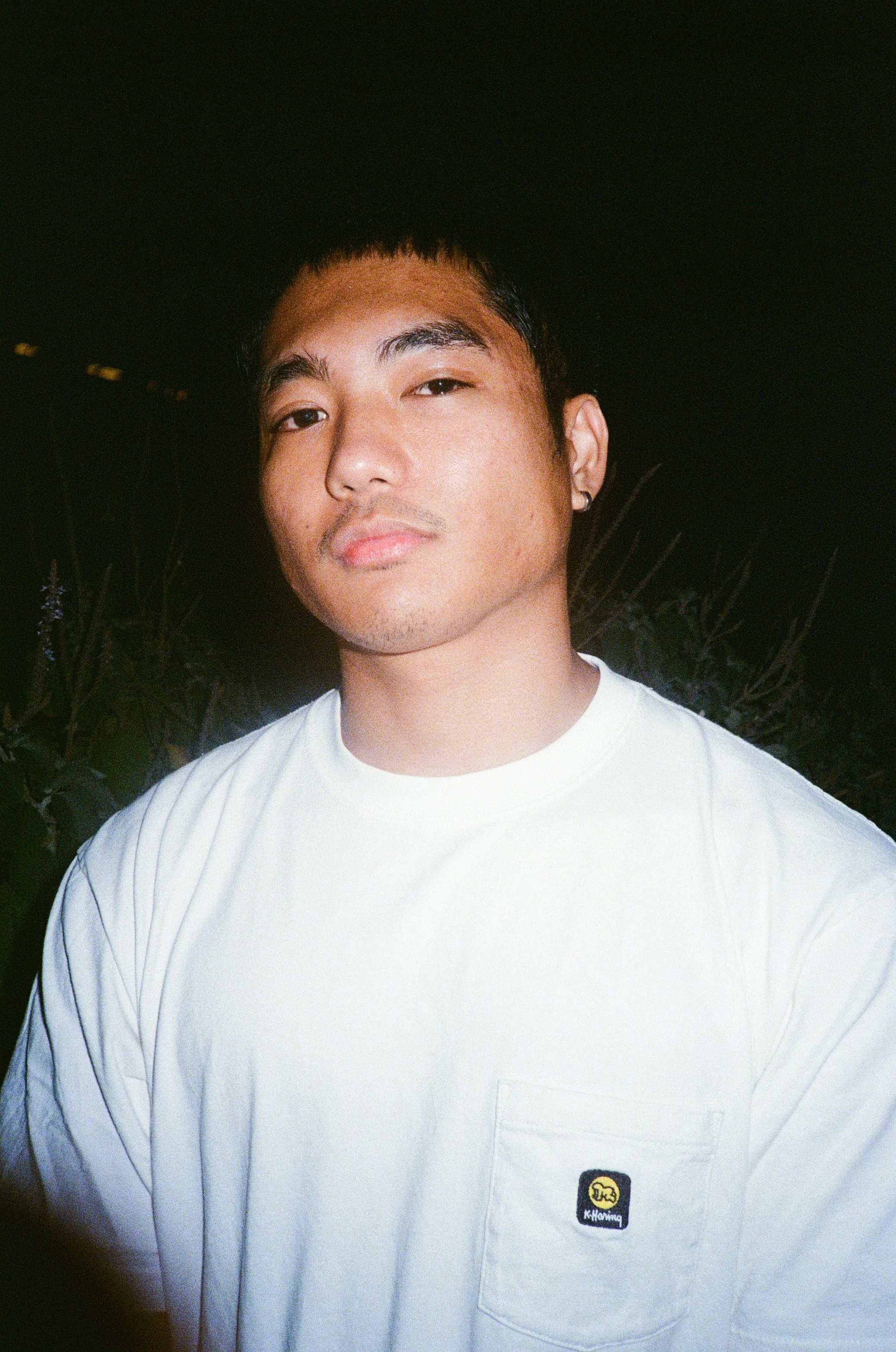
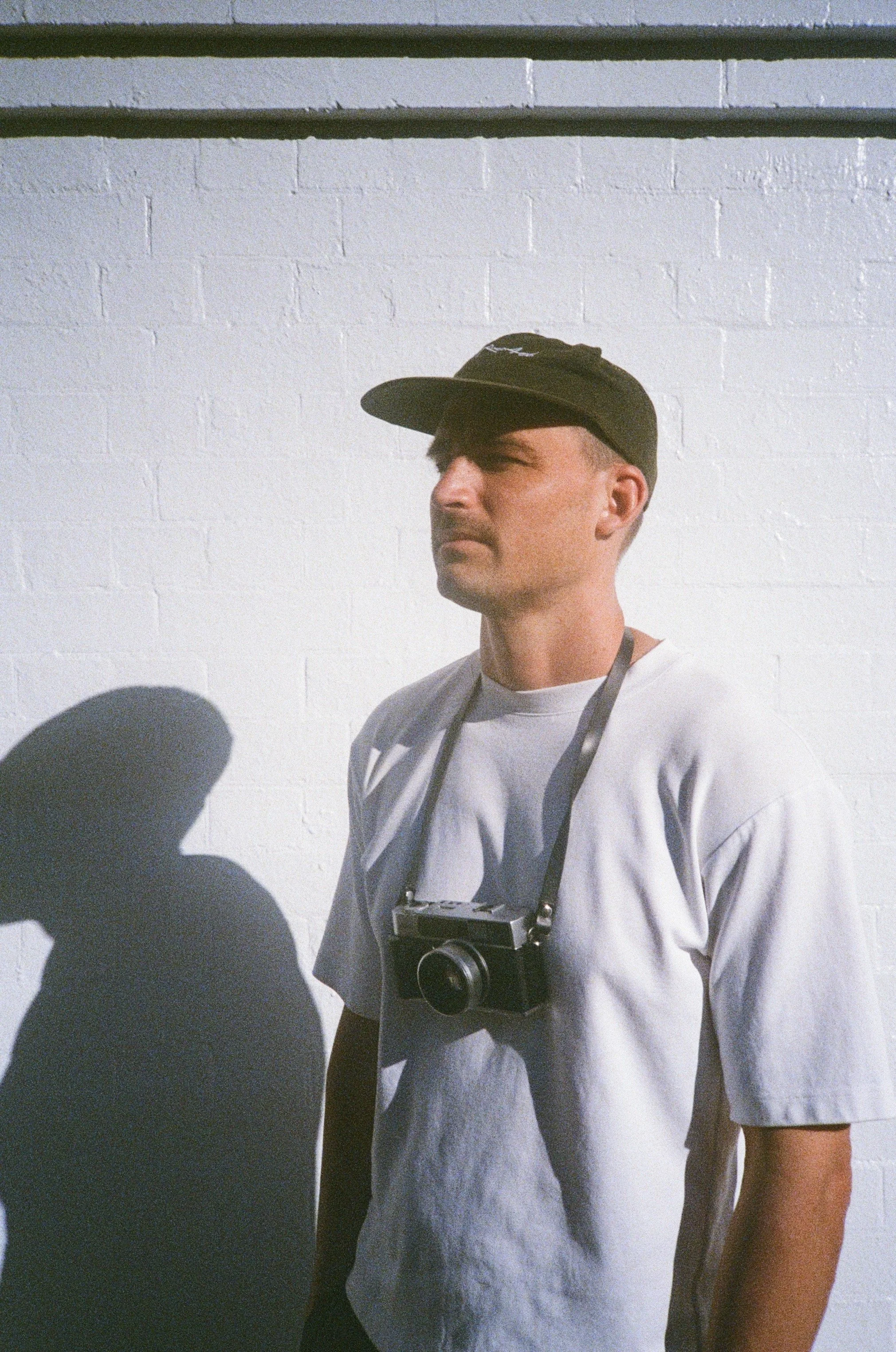
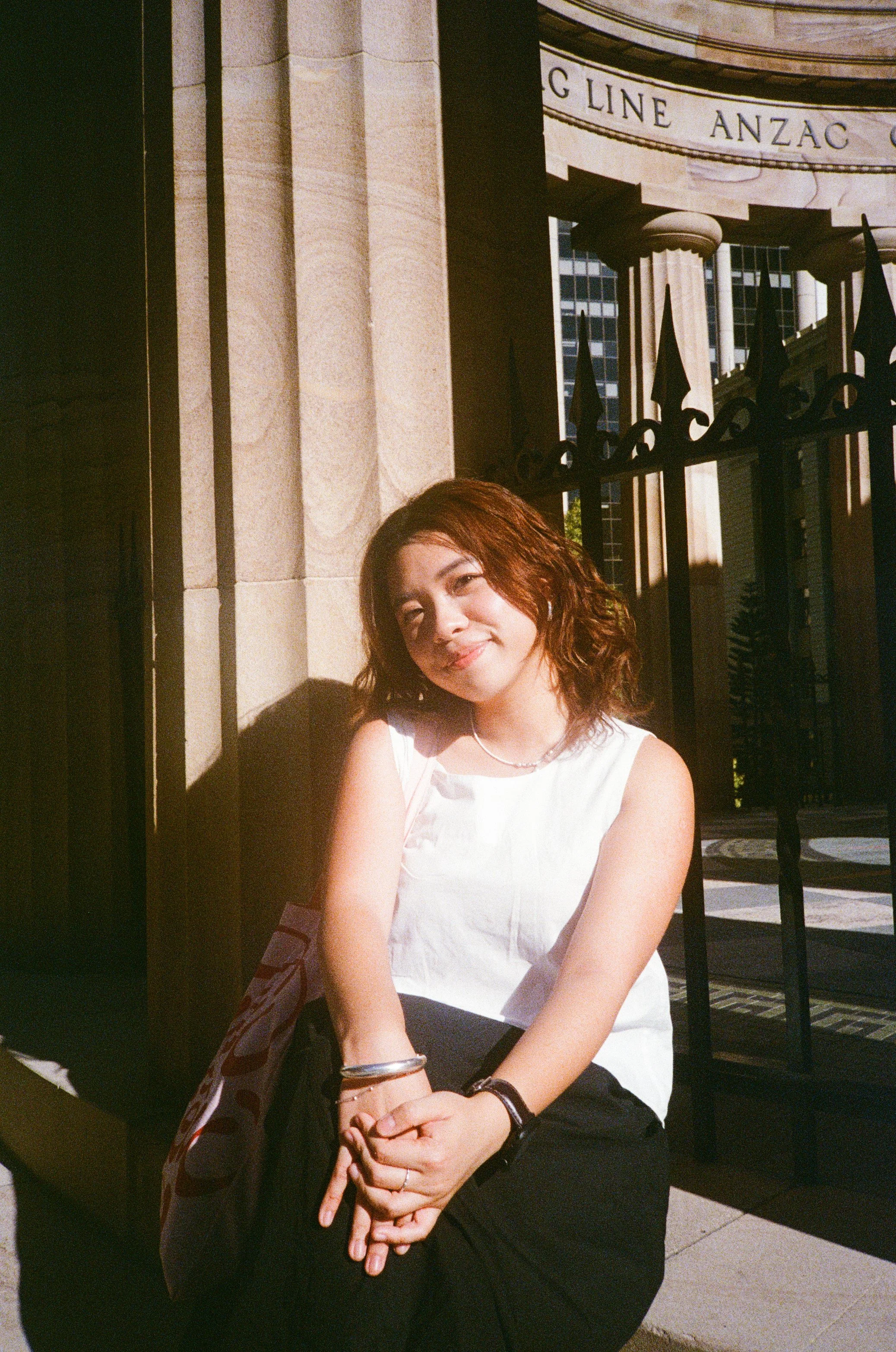
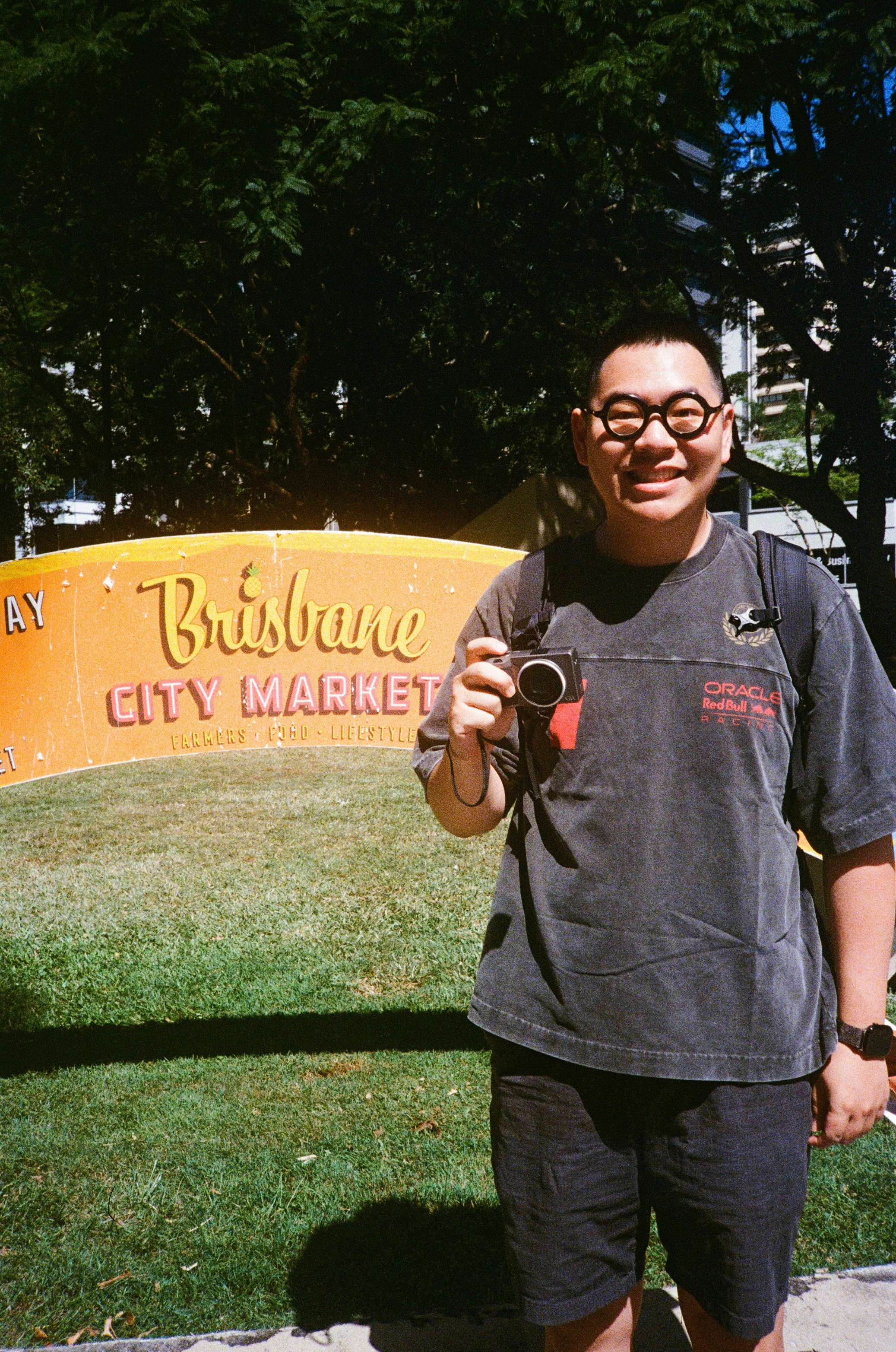
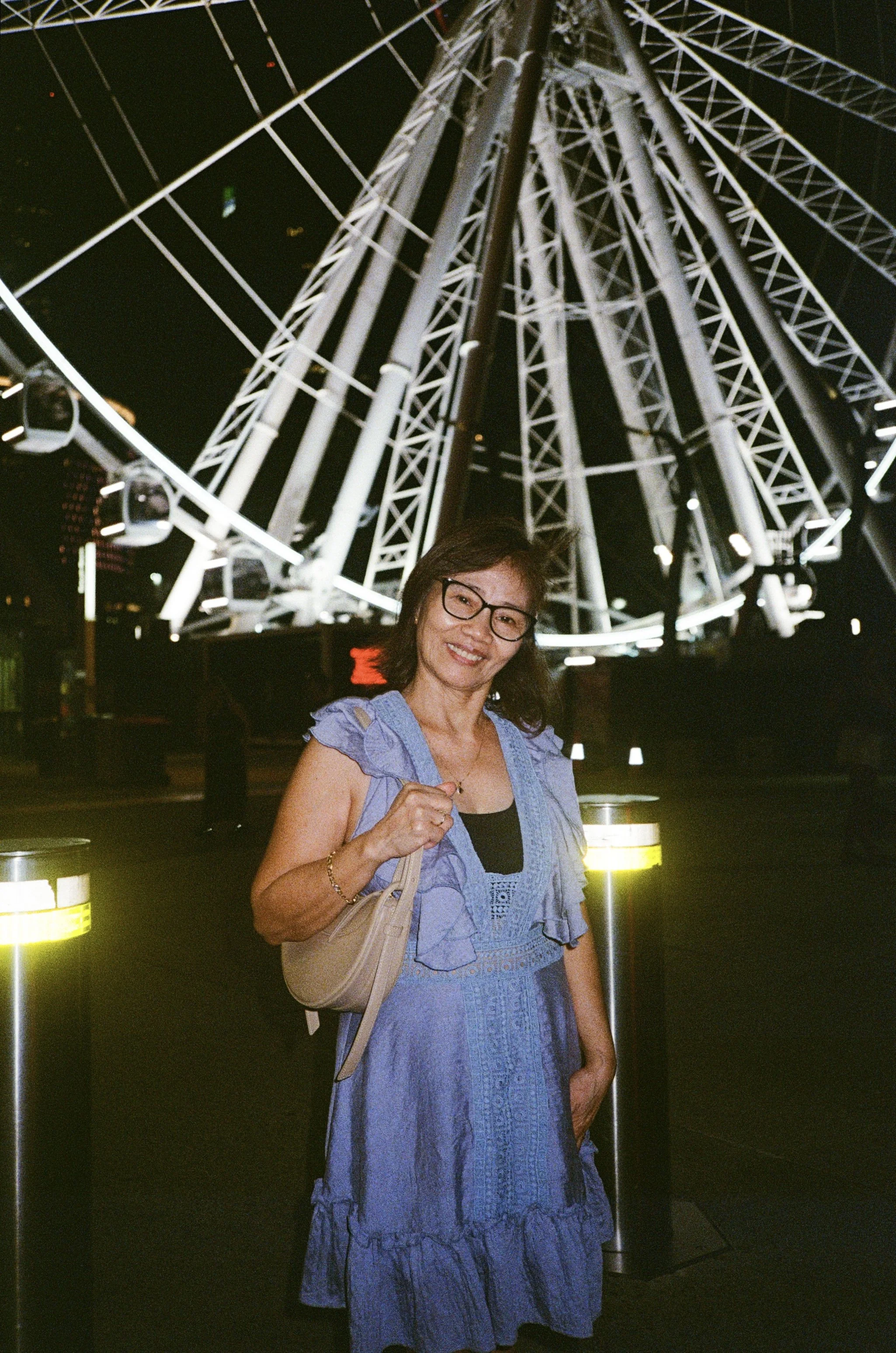
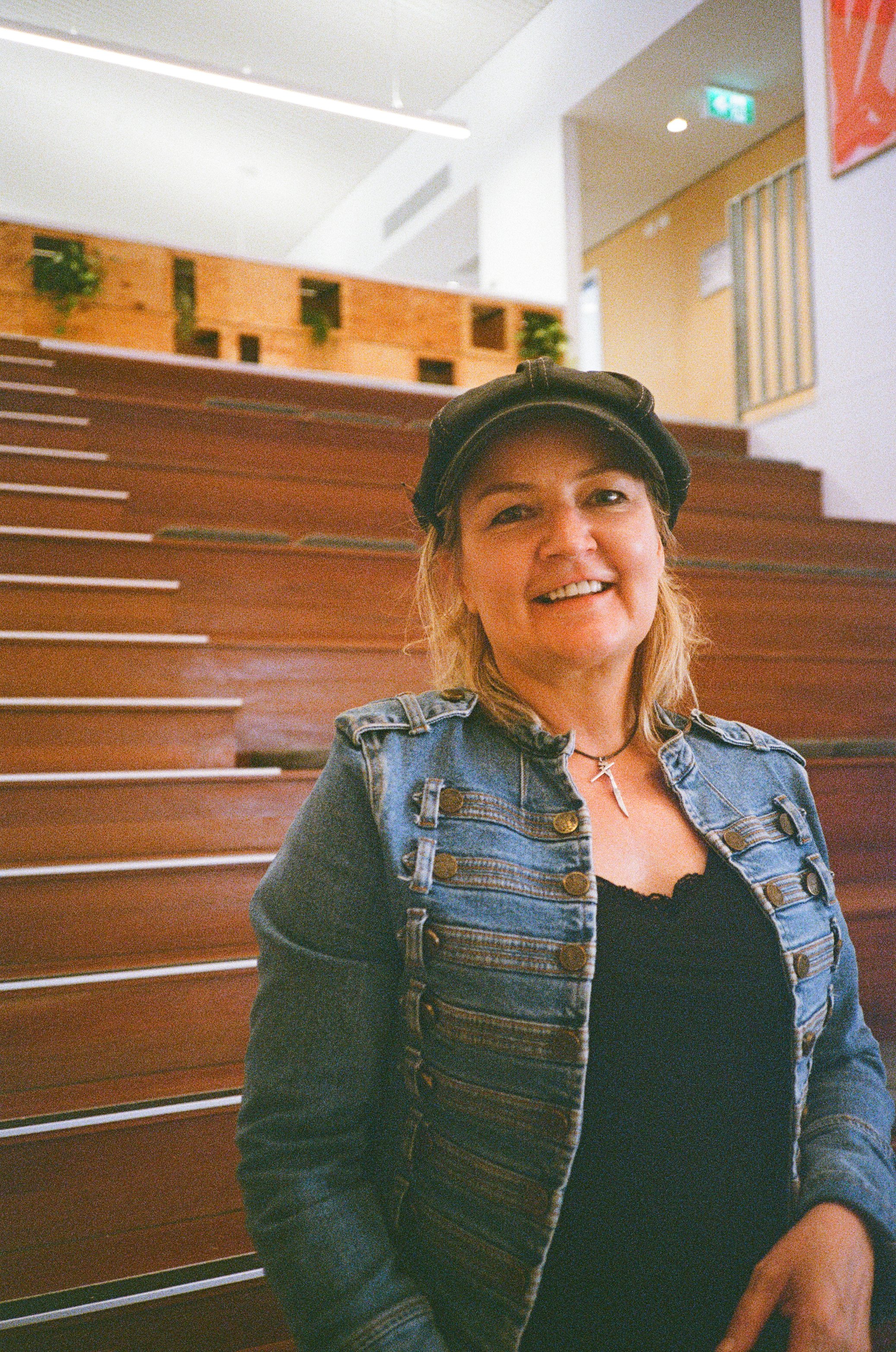
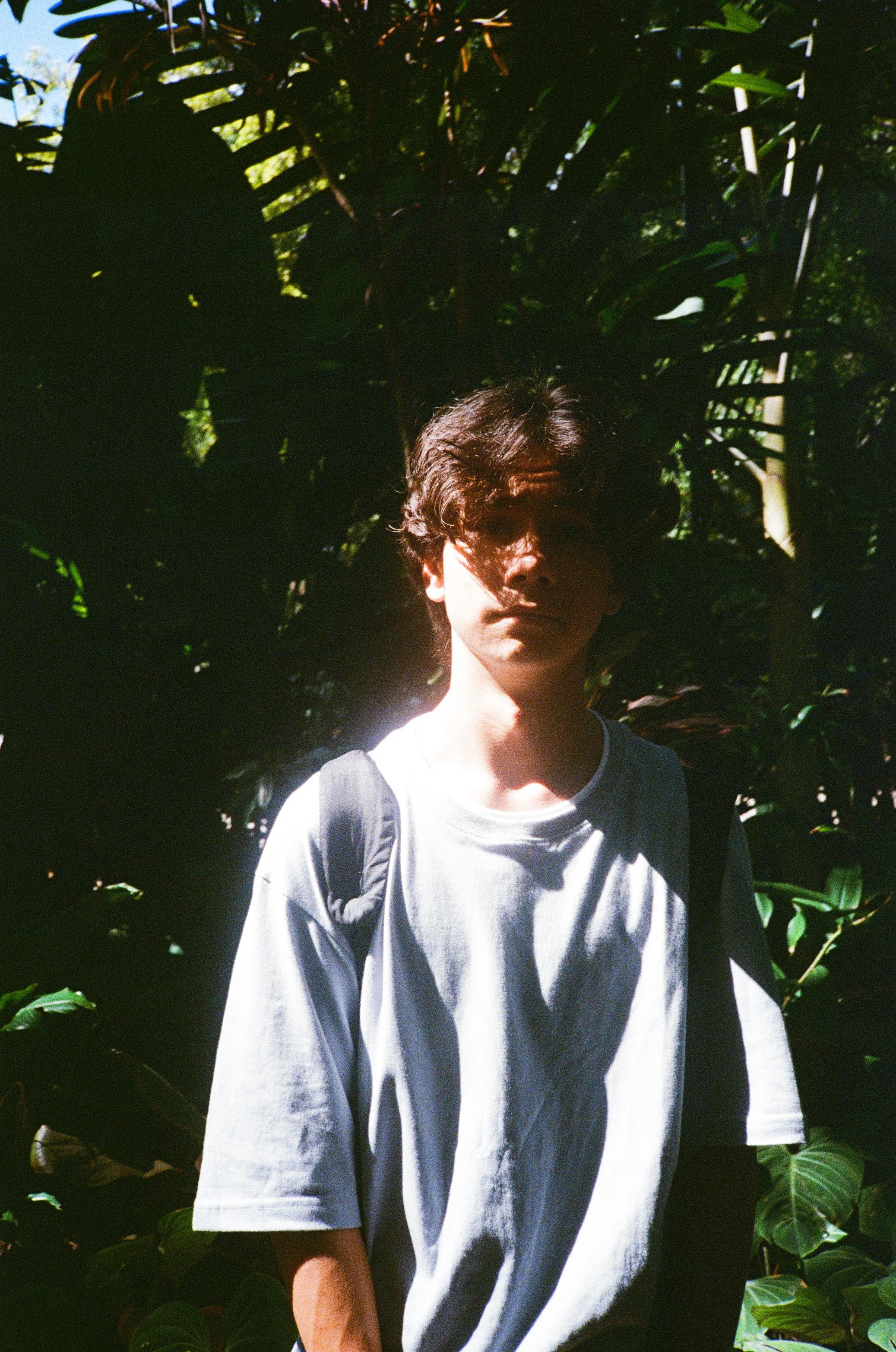
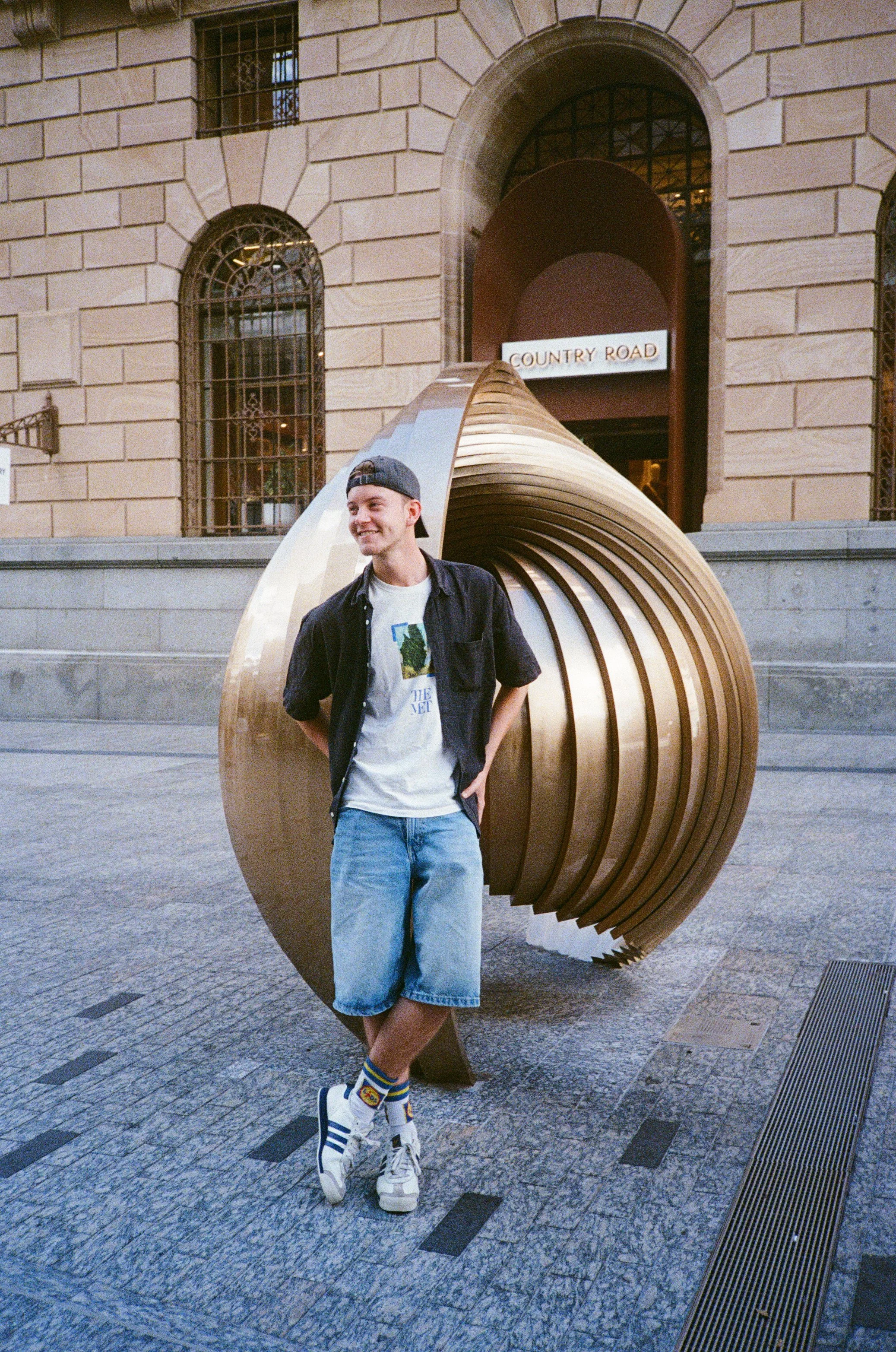
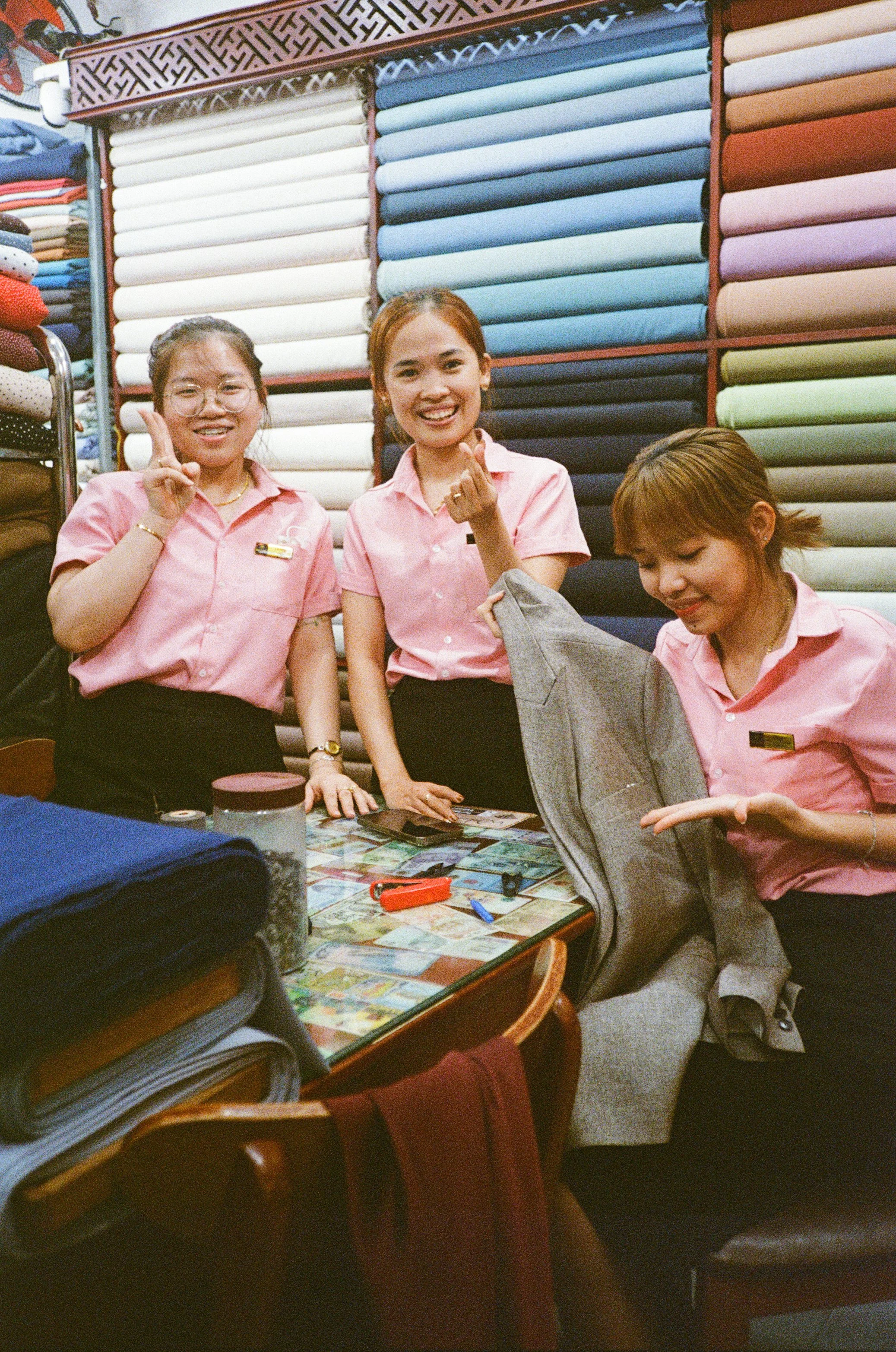
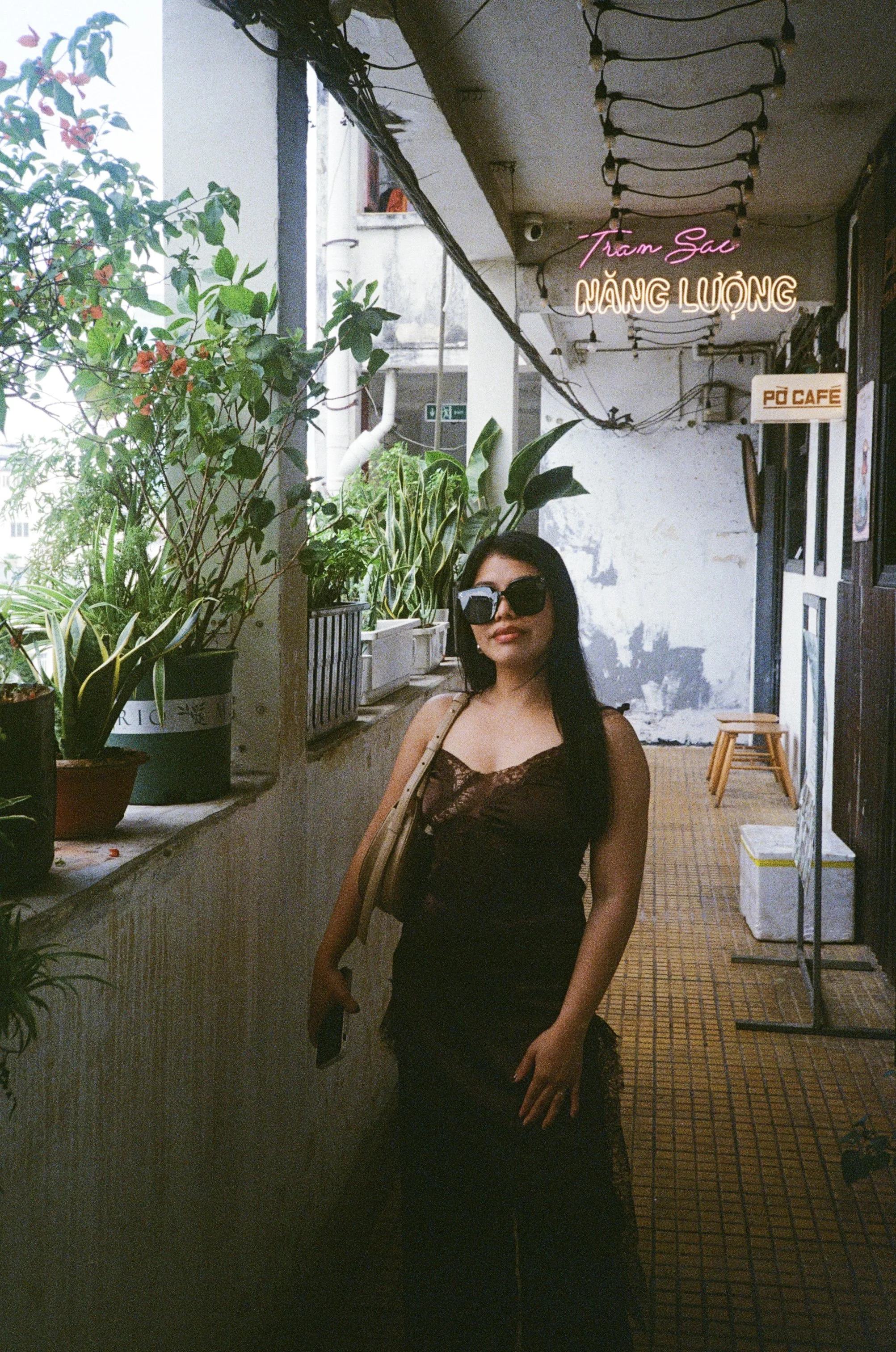
The portraits I made across those two months, in the chaos of Vietnamese markets, on quiet evenings in the Philippines, and in the familiarity of Brisbane streets where I could finally breathe again, are the first portraits I’ve ever taken on film.
That means something to me that I’m still finding words for.
Digital portraits are abundant in my catalogue. Thousands of them across nine years. But these 36 are different. They were earned in a way that a digital frame never quite is. The limited nature of the medium made me more present, more deliberate, more there with each person I photographed.
And when I eventually get this roll developed and hold those prints, whether they’re good, whether they’re somewhere in between, they will be the beginning of something I intend to take seriously.
What This Means Going Forward
I’m not abandoning my digital work. My couples photography in Brisbane, my events and wedding coverage, the work that requires fast and responsive shooting, that remains what it is and I love it.
But film photography has given me something I didn’t know I was missing: the discipline of intention. The practice of looking long and shooting once. The reminder that a great portrait isn’t made by shooting more. It’s made by seeing better.
I’ve started a new chapter with 36 frames and a camera I found in a small shop in Saigon.
These portraits are the first. They won’t be the last.
If you’re a Brisbane photographer, an aspiring portrait photographer, or simply someone who’s ever picked up a camera and wondered if there’s more, I’d invite you to find a roll of film and see what happens when you can’t shoot again.
You might be surprised what slowing down reveals.
👉 Looking to work with a Brisbane photographer who brings intention to every frame? Get in touch here.